discuss的固定搭配和短语
“discuss”是英语中表示“讨论、商议”的动词,核心含义是就某个话题交换意见。它常与介词、名词或动词形式搭配,形成固定短语,用在会议、课堂、写作等场景中。
很多人搜这个词,是想弄清“discuss about”对不对、“discuss with”怎么用、后面接动名词还是不定式。下面按基本用法、常见错误和选择判断来梳理。
基本含义与常见搭配
“discuss”是及物动词,后面直接接讨论的内容,如 discuss the plan、discuss the problem。常见固定搭配包括:discuss with sb(与某人讨论)、discuss sth with sb(和某人讨论某事)、discuss doing sth(讨论做某事)。注意不能说 discuss about sth,因为 discuss 本身已含“关于”之意。此外,discuss 后常接 question、issue、topic、matter、details 等名词,也可接 wh- 从句,如 discuss what to do next。
常见问题:别把 discuss 当不及物动词
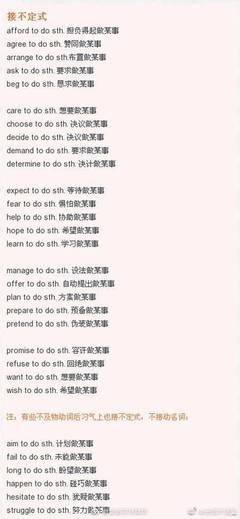
最常见的错误是加 about,写成 discuss about the topic,应改为 discuss the topic。另一个问题是后面接动词时形式出错:discuss to do 不对,应说 discuss doing sth,如 discuss changing the schedule。还有人在 discuss 后直接加人,如 discuss him,这通常不表示“和他讨论”,而可能被理解为“讨论他这个人”;要表达“与他讨论”,须用 discuss sth with him。另外,discuss 不接双宾语,不说 discuss me the plan。
怎么判断和选择
判断时先看后面有没有“讨论内容”:有内容就直接跟,不加 about;要引出参与者,用 with sb,且 with 短语位置灵活。若后面是动作,优先用动名词。写作中可用被动形式 be discussed,如 The issue will be discussed at the meeting。口语里也可用 talk about 替换 discuss,但正式程度不同:discuss 更正式,talk about 更随意。记住“discuss + 内容(+ with + 人)”这一基本框架,多数搭配就不会用错。