expectation的短语
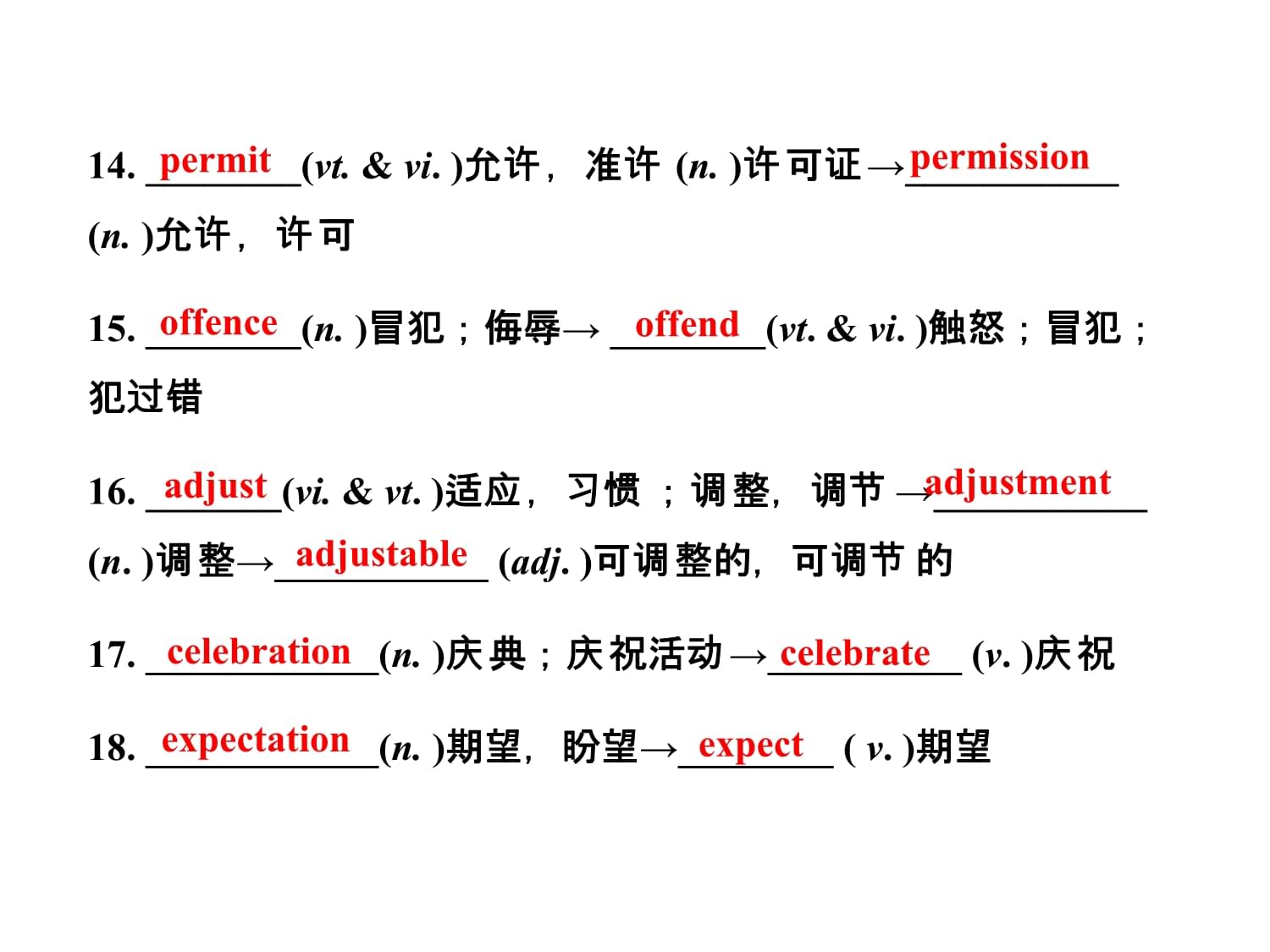
“expectation”的短语在英语中通常指围绕“预期、期望”形成的固定搭配,常见于日常交流、职场沟通和心理描述。它和人们对结果的预判、对他人行为的要求,以及事情是否符合心理预期有关。
基本含义与常见用途
“expectation”本身表示“期望、预期”。常见短语有“have high expectations”(抱有很高期望)、“meet expectations”(达到预期)、“fall short of expectations”(未达预期)、“beyond expectations”(超出预期)、“set expectations”(设定预期)等。这些短语多用于描述工作表现、产品质量、人际关系或服务体验。比如“manage expectations”常指提前沟通,避免对方产生不切实际的想法。
常见问题
使用者容易混淆“expectation”和“expected”。前者是名词,后者常作形容词。短语搭配上,“meet someone’s expectations”比“reach someone’s expectations”更自然;“against expectations”表示“与预期相反”,而“contrary to expectations”更正式。另外,“expectation”常用复数形式表示多种期望,如“customer expectations”。写作时要注意介词:通常说“expectations of/for/about”,但具体搭配需看语境。
怎么判断或怎么选
选择短语时,先看你想表达“达到”“低于”还是“超出”预期。描述常规目标用“meet expectations”;说明落差用“fall short of expectations”;强调惊喜用“exceed expectations”。在职场或服务场景中,若想表达主动沟通,可用“set expectations”或“manage expectations”。判断搭配是否自然,可以看主语:人通常“have expectations”,事情“meet expectations”。多读例句、注意介词和动词搭配,比死记清单更有效。